The testing machine can monitor the changes in friction force and the wear condition of the sample surface in real time during the test, and also precisely control and monitor various parameters of the testing machine in real time.
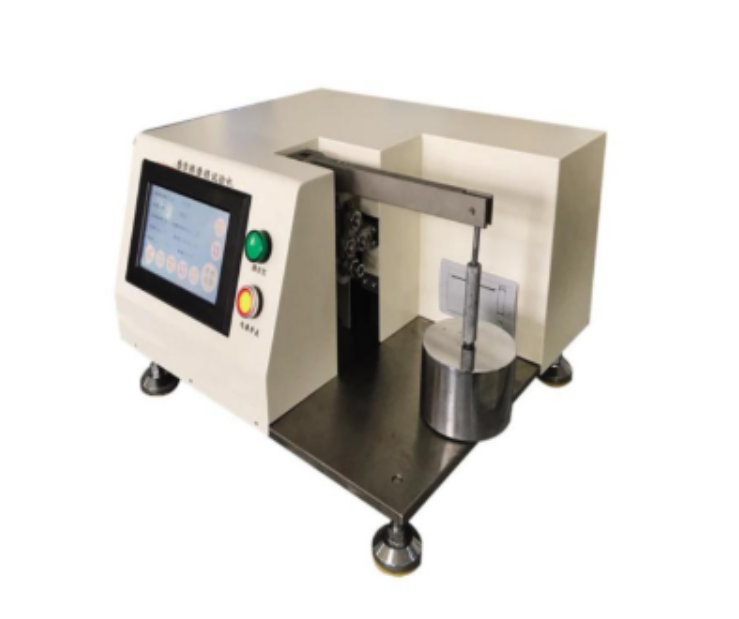
The sliding bearing PV friction testing machine is primarily used to evaluate the friction and wear performance of engineering plastics, powder metallurgy materials, alloy bearings, and other materials under sliding friction conditions. By simulating different friction conditions, such as variations in load, speed, time, friction pair materials, surface roughness, and hardness, this testing machine can determine the PV value (the product of pressure and velocity, used to represent the load-carrying capacity of sliding bearings), as well as the optimal clearance and lubrication medium.
(1)GB 7948-1987: Test method for PV limit of plastics bearings
(2)JB/T 7381-2010 : Powder metallurgy oil-retaining bearings - Determination of PV value
(1)High-precision testing: Ensures the accuracy of test results through precise control and real-time monitoring.
(2)Wide range of applications: Suitable for various fields, including automotive manufacturing, aerospace, and mechanical engineering.
(3)Multifunctionality: Capable of performing tests under different lubrication and load conditions.
(4)Data processing: Test data can be displayed in real time, and corresponding data curves can be plotted for easy analysis and storage.
(5)User-friendly: The equipment is easy to operate, making it suitable for use in research institutions, universities, and research institutes.
| Description | Details |
|---|---|
| Test force (radial) loading range | 0 - 15000N |
| Force value accuracy error | ≤ ±1% |
| Spindle speed | 0 - 2000r/min, stepless speed regulation |
| Maximum speed error | ±2r/min |
| Measuring range of friction torque | 0 - 50Nm |
| Relative error of torque display value | ≤ ±2% |
| Temperature measurement range | Room temperature - 300℃ |
| Spindle taper; Friction sub-diameter; Standard specimen size | 1:7; 35mm; 39mm (outer diameter) * 35mm inner diameter * 35mm length |
| Test time control range | 0 - 999999S, arbitrary settings |
| Radial runout of spindle | ≤ ±0.01mm |
| Test cycle control range | 1 - 999999r, arbitrary setting |
| Control conditions | Fixed speed variable load; set test force, test time (or number of revolutions), test speed, loading interval time, loading gradient, etc. The test machine automatically controls shutdown conditions such as set time, friction coefficient, friction temperature, etc., and shuts down automatically. Real-time display of test parameters during the test process, including test force, friction torque, friction coefficient, number of revolutions, temperature, time, etc. Automatic calculation of test PV value, wear amount, and other data results, and output of test reports |
| Friction vice (steel bushing) | 45# steel quenched and tempered, hardness HRC40 - 45. or customized according to customer requirements |
| Whole machine power | About 8.5KW |
| Weight of main machine | About 800KG |
| Main machine size | About 12006001000 (units not specified, assumed to be mm) |
(1)High-temperature oil reservoir
(2)Room-temperature oil reservoir
(3)Pin-on-disk friction pair
(4)Four-ball friction pair
(5)Thrust ring friction pair
(6)Lifting screw
(7)Chuck pull rod
(8)Spring collet
(9)Vibration damping pads, etc.
(1)The tester works normally under the following conditions:
(2)Within the range of room temperature 10℃~35℃.
(3) In an environment where the relative humidity is not greater than 80%.
(4) no vibration around, no corrosive media and no strong electromagnetic interference in the environment;.
(5) The fluctuation range of power supply voltage should not exceed ±10% of the rated voltage, and the fluctuation of frequency should not exceed 2% of the rated frequency; and
(6) Correctly installed on a firm foundation with a levelness of 0.2/1000.