In the modern textile, leather, and coated materials industries, color stability is one of the key indicators used to evaluate product quality and durability. During daily wear or use, garments, footwear, bags, and household products inevitably come into contact with and rub against other objects. If the color fastness of a material is inadequate, fading or color transfer can easily occur, seriously affecting the appearance of the product and the user experience.As a professional testing instrument in this field, the Double-Station Electric Rubbing Color Fastness Tester has become an indispensable tool for laboratory quality control and product research and development. With its advantages of automation, standardization, and high testing efficiency, the instrument provides an effective means of evaluating the color fastness of textiles, leather, and coated materials to rubbing and supports consistent and reliable quality assessment.
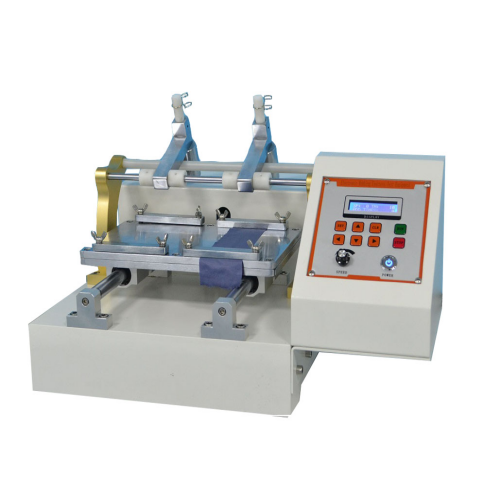
The Double-Station Electric Rubbing Color Fastness Tester is a precision instrument specifically designed to determine the degree of color transfer of textiles, knitted fabrics, leather, plastics, paints, printed materials, and other materials under both dry and wet rubbing conditions. The degree of color transfer refers to the amount of coloring matter transferred from the surface of a material to another object under specified rubbing conditions. It directly reflects the strength of color adhesion to the material surface. The instrument strictly complies with multiple international and national standards and is designed to simulate rubbing conditions encountered during actual use, enabling scientific evaluation of the material's resistance to rubbing and providing an objective basis for product quality assessment and process improvement.
Compared with traditional manual rubbing testers, the motorized design effectively eliminates errors caused by inconsistent rubbing speed and unstable applied force during manual operation, significantly improving the repeatability and reproducibility of test results. Repeatability refers to the degree of consistency among results obtained from multiple tests conducted under the same conditions, while reproducibility refers to the comparability of results obtained by different operators or using different instruments. Improvements in these two indicators mean that the test data are more stable and reliable, effectively reducing disputes caused by variations in operating procedures.
The double-station design is one of the instrument's key advantages. The two independent testing stations can be centrally controlled by the same control system. They can be used to test two identical specimens simultaneously to verify the consistency of test results, or to conduct dry-rubbing and wet-rubbing tests under different conditions at the same time. This effectively doubles testing efficiency and greatly meets the requirements of high-efficiency quality inspection for batch production.
The core working principle of the instrument is to use an electric drive system to move the rubbing head in a standardized linear reciprocating motion across the surface of the specimen. Each rubbing cycle is performed at a constant speed, fixed stroke length, and controlled pressure, thereby ensuring highly consistent test conditions and good comparability of test results. The testing process is divided into two modes: dry rubbing and wet rubbing.
Dry Rubbing Test
For the dry rubbing test, a dry standard rubbing cloth is securely wrapped around the base of the rubbing head. The rubbing head then reciprocates across the specimen surface under a specified standard pressure, simulating contact and abrasion under normal dry conditions. This test is suitable for evaluating the ability of textiles to resist color transfer and color loss caused by dry rubbing during normal wear and use.
Wet Rubbing Test
For the wet rubbing test, the standard rubbing cloth is thoroughly wetted to the specified moisture content, typically 95%–100%, and then squeezed to remove excess water before being wrapped around the rubbing head for testing. This procedure simulates rubbing conditions in humid environments, such as exposure to perspiration or rain. The wet rubbing mode provides a more realistic assessment of textile color fastness under wet conditions and is particularly important for evaluating the quality of outdoor products and sports equipment.
After the test is completed, the operator evaluates the degree of staining on the rubbing cloth under a D65 standard light source cabinet, using a Gray Scale for Staining. The Gray Scale for Staining consists of a series of standardized gray color patches arranged from light to dark. By visually comparing the stained area of the rubbing cloth with the gray scale, the corresponding gray scale rating is determined.
The rating typically ranges from Grade 1 to Grade 5. Grade 5 indicates little to no visible staining and represents the best performance, while Grade 1 indicates severe staining and represents the poorest performance.
The application range of this instrument extends far beyond the traditional textile industry. It is widely used in various fields where high requirements are placed on surface color stability:
Textile and Apparel Industry
The tester is used to evaluate the rubbing fastness of various fabrics and printed textiles during wear and washing, helping prevent color fading at high-contact areas such as cuffs and collars.
Leather and Footwear Industry
It is used to determine the degree of color transfer and fading of uppers, linings, leather goods, and other products under dry and wet rubbing conditions, helping ensure product durability.
Printing and Packaging Industry
The instrument can be used to evaluate the adhesion and rub resistance of inks applied to paper, plastic films, and other substrates, helping prevent printed patterns from wearing off during transportation or use.
Coatings and Composite Materials
It is used to test the scratch resistance and color durability of automotive interiors, furniture coatings, advertising prints, and other materials, helping ensure stable performance in outdoor environments or under frequent contact and abrasion.
Research and Development and Third-Party Testing
The tester provides authoritative and traceable test data for new material development, dye formulation optimization, and certification of products intended for export markets.
With its precise parameter control, efficient double-station design, and broad applicability, the Double-Station Electric Rubbing Color Fastness Tester has become an important instrument for material quality testing. It not only helps manufacturers maintain strict control over product quality and reduce returns and customer complaints caused by inadequate color fastness, but also provides a scientific basis for new material development and process improvement.As testing standards continue to evolve and market requirements become increasingly sophisticated, this type of testing instrument is expected to continue advancing toward greater automation and intelligence, helping manufacturers worldwide improve product quality and maintain consistent performance throughout the production process.
Prev:What is a Timken test machine?
Next:No more